The lesson
One stew, and the counter conversation
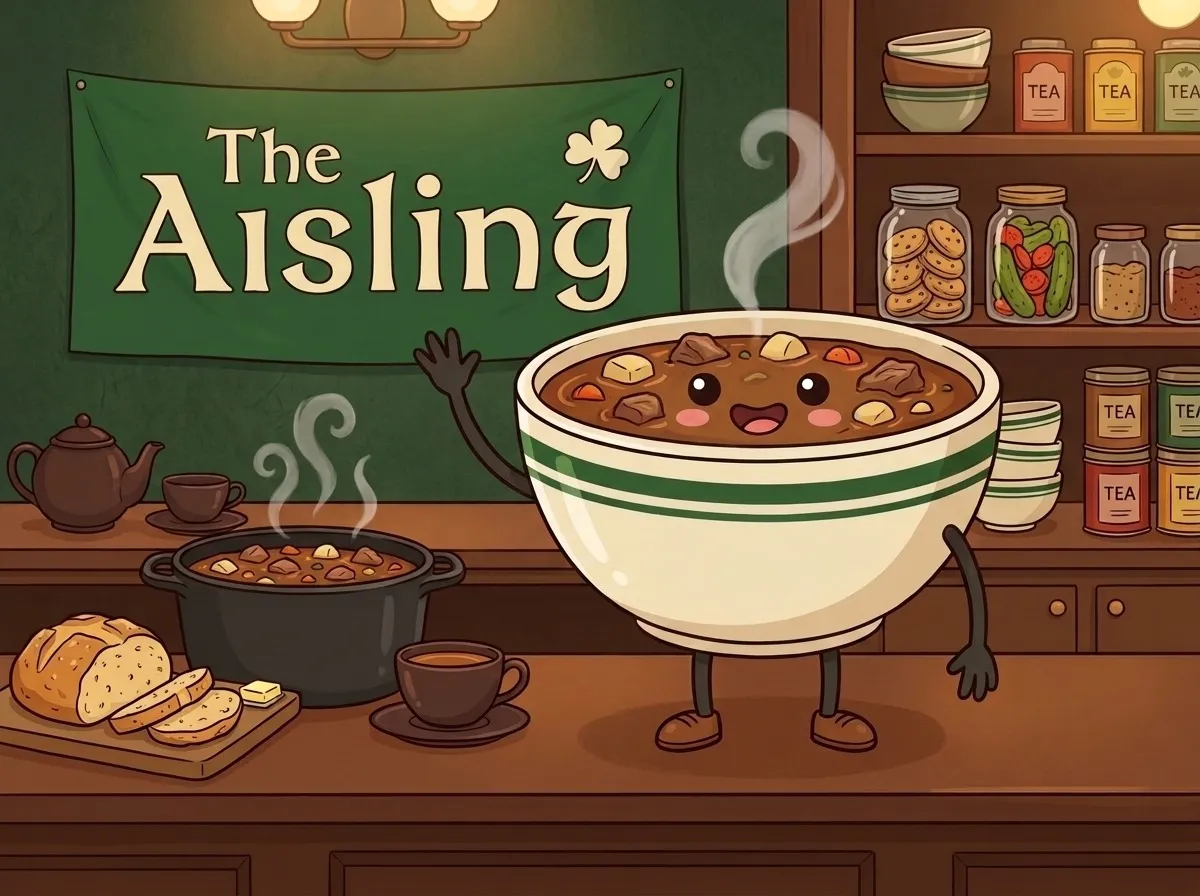
A customer leans over my counter. “Something warm, not too heavy.” Two bowls of stew sit behind me. Which one do I serve? The order steers the answer. Say it one way, and I reach for the plain bowl. Say it another, and the rich bowl comes out. Machines work the same way. The order is called a prompt.
The order steers the publican
Prompting is writing the instruction you give a generative model. Small changes in wording change the answer, which is why it is a skill. Ask a long question and you get a long answer. Ask for three points and you get three points. But the model only knows what it was trained on. It does not know my pub: today’s menu, the closed-for-cleaning sign, the price list. So behind my bar there is a second habit: check the shelf before you answer. The industry calls it retrieval-augmented generation, RAG for short. You give the model the exact documents it needs at the moment you ask, so it answers from your facts instead of guessing. Your facts go on the counter before the fire starts.
The publican who checks the shelf
The chef who checks the shelf works all over town. A company chatbot answers leave questions, and the handbook pages are placed on the counter first, so the answer carries the real policy. A bank assistant answers product questions, and the product sheets sit beside the prompt. A hotel’s helper answers check-in questions, and the rates card sits beside the prompt too. Same shape every time: order in, facts on the counter, answer out.
Your next prompt, noticed
This week, write one prompt carefully. Before you send it, change three words and watch the answer move. Then ask a question whose answer must be a fact about your own family or your own work, something the machine has never been told. When it guesses wrong, remember: the facts were not on the counter. That is the difference between a prompt and a question put to the shelf.